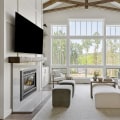
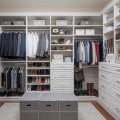
Home improvement is more than just a trend; it is a vital aspect of creating a functional and organised living space that enhances our daily lives. As we spend more time at home, the need for a well-structured environment becomes increasingly apparent. A thoughtfully designed home not only reflects our personal style but also significantly impacts our productivity, mental well-being, and overall quality of life. By investing time and resources into home improvements, we can transform our spaces into havens of comfort and efficiency. The importance of home improvement lies in its ability to address the unique challenges we face in our living environments.
Cluttered spaces can lead to stress and distraction, making it difficult to focus on what truly matters. By prioritising home organisation, we can create an atmosphere that promotes relaxation and creativity. Simple changes, such as decluttering, reorganising furniture, or enhancing storage solutions, can make a world of difference in how we interact with our surroundings. Moreover, a well-organised home can lead to increased functionality. When each item has its designated place, daily tasks become more manageable, allowing us to navigate our homes with ease.
This not only saves time but also fosters a sense of accomplishment and control over our environment. Ultimately, embracing the concept of home improvement is about more than aesthetics; it is about cultivating spaces that support our lifestyles and aspirations.
Assessing Your Current Space
Before embarking on any home improvement project, it is essential to assess your current space. This evaluation will help you identify areas that require attention and understand how your living area functions on a day-to-day basis.Start by walking through each room in your home. Take note of how you use the space and whether it meets your needs.Ask yourself the following questions:
- Is there enough room for movement and activities?
- Are there specific areas that feel cramped or underutilised?
- Do you have designated spaces for work, relaxation, and socialising?
- Visual Inspection: Look around each room and note items that are out of place or no longer serve a purpose.
- Declutter: Consider implementing a 'one in, one out' rule to manage new items entering your home.
- Organise: Group similar items together and find appropriate storage solutions to keep surfaces clear.
By recognising what needs to be improved, you can create a more functional and organised space that enhances your quality of life.
Setting Goals for Your Home Improvement Project
When embarking on a home improvement project, the first step is to establish clear and achievable goals. Setting specific objectives not only provides direction but also helps in measuring progress throughout the renovation process.Identify Your Needs
- Assess your current space: Take a good look at your home and identify areas that require improvement. Consider functionality, aesthetics, and organisation.
- Prioritise your goals: Determine which improvements are most important to you. Is it creating more storage, enhancing energy efficiency, or simply updating the decor?
Set SMART Goals
Utilising the SMART criteria can significantly enhance your goal-setting process:
- Specific: Define what you want to achieve.
Instead of saying "I want a better kitchen," specify "I want to install new cabinets and a countertop that maximises storage space."
- Measurable: Establish how you will measure success. For example, "I will increase my kitchen storage by 30% with new cabinets."
- Achievable: Ensure your goals are realistic given your budget and time constraints. Consider whether you can complete the project yourself or if you need professional help.
- Relevant: Align your goals with your overall vision for your home. Each improvement should contribute to a more functional and organised space.
- Time-bound: Set a timeline for each project phase.
This helps maintain momentum and keeps the project on track.
Create a Plan
Once you have established your goals, develop a detailed plan that outlines the steps needed to achieve them. This plan should include:
- A budget that accounts for materials, labour, and unexpected expenses.
- A timeline that breaks down each phase of the project.
- A list of resources, including tools and professionals you may need to hire.
Decluttering: The First Step to Organisation
Creating a more functional and organized space begins with decluttering. This essential first step not only clears physical space but also promotes mental clarity, making it easier to focus on home improvements. Here are some practical tips to help you effectively declutter your home.Start Small
Begin with one area at a time, such as a drawer or a single shelf.This approach prevents overwhelm and allows you to see progress quickly. As you gain confidence, gradually tackle larger spaces like rooms or entire floors.
Use the Four-Box Method
Label four boxes as Keep, Donate, Trash, and Relocate. As you sort through items, place each one in the appropriate box. This method helps you make decisions about what to keep and what can be let go.Set Time Limits
Allocate a specific amount of time for decluttering sessions, such as 30 minutes each day.This keeps the process manageable and encourages consistency, making it easier to maintain an organized space.
Benefits of Decluttering
- Increased Space: Removing unnecessary items frees up valuable space, allowing for better functionality.
- Improved Focus: A tidy environment reduces distractions, helping you concentrate on tasks and enjoy your home more.
- Easier Cleaning: With fewer items around, cleaning becomes quicker and more efficient.
- Enhanced Aesthetics: A decluttered space looks more appealing and inviting, contributing to a positive atmosphere.
Maximising Space with Smart Storage Solutions
Creating a more functional and organised space often hinges on effective storage solutions. Whether you live in a compact flat or a spacious home, smart storage can transform your environment, making it both practical and aesthetically pleasing.For those with limited space, consider the following storage solutions for small spaces:- Under-bed storage: Utilise the area beneath your bed with rolling bins or vacuum-sealed bags to store seasonal clothing or extra bedding.
- Wall-mounted shelves: Free up floor space by installing shelves that reach up to the ceiling. This not only provides storage but also adds visual interest to your walls.
- Multi-functional furniture: Invest in pieces that serve dual purposes, such as ottomans with hidden compartments or coffee tables with built-in storage.
Here are some ideas to consider:
- Built-in cabinetry: Custom cabinets can be designed to fit your space perfectly, providing ample storage while maintaining a sleek look.
- Zoned storage: Create specific zones for different activities (e.g., a reading nook with bookshelves) to keep items organised and easily accessible.
- Open shelving: Use open shelves in kitchens or living rooms to display decorative items while keeping essentials within reach.
- Repurposed items: Old ladders can be transformed into unique shelving units, while vintage suitcases can serve as stylish storage for blankets or toys.
- Clever use of hooks: Install hooks in entryways or kitchens to hang bags, utensils, or even pots and pans, freeing up drawer space.
- Baskets and bins: Use decorative baskets to group similar items together, making it easier to find what you need while adding a touch of style.
Choosing Functional Furniture and Decor
When it comes to home improvement, selecting the right furniture and decor is crucial for creating a space that is both aesthetically pleasing and highly functional. The key is to choose pieces that not only fit your style but also enhance organisation and usability.Functional Furniture Choices
Opt for multi-purpose furniture that can serve more than one function. For instance, a sofa bed can transform a living room into a guest room, while an ottoman with storage can double as both seating and a place to stow away blankets or magazines. Here are some ideas:- Storage beds: These beds come with built-in drawers or compartments, making them perfect for maximising space in smaller bedrooms.
- Expandable dining tables: Ideal for entertaining, these tables can be adjusted to accommodate more guests when needed.
- Wall-mounted desks: Perfect for home offices, these desks can be folded away when not in use, freeing up floor space.
Decor That Enhances Organisation
The right decor can significantly improve the functionality of your space.Consider incorporating items that not only beautify your home but also help keep it organised:
- Shelves: Floating shelves or bookcases can display decorative items while providing storage for books and other essentials.
- Baskets and bins: Use stylish baskets to store items like toys or blankets, keeping them out of sight yet easily accessible.
- Hooks and racks: Wall hooks can be used for coats, bags, or hats, helping to keep entryways tidy.
Creating Designated Zones in Your Home
Creating designated zones in your home is an effective way to enhance both organisation and functionality. By clearly defining areas for specific activities, you can reduce clutter and improve the flow of your living space. Here are some key zones to consider:- Workspaces: In today’s world, many people work from home.
Designating a specific area as a workspace can help you maintain focus and productivity. Choose a quiet corner or a spare room, and equip it with essential tools such as a desk, ergonomic chair, and adequate lighting.
- Relaxation Areas: A relaxation zone is crucial for unwinding after a long day. This could be a comfortable nook with soft seating, cushions, and ambient lighting. Consider adding elements like plants or artwork to create a calming atmosphere.
- Storage Zones: Clutter can quickly accumulate if there isn’t a designated storage area.
Identify spaces in your home where you can incorporate storage solutions, such as shelves, cabinets, or multifunctional furniture. This will help keep your belongings organised and easily accessible.
- Assess Your Needs: Think about how you use each space and what activities take place there. This will guide you in determining the best layout for your designated zones.
- Use Furniture Wisely: Arrange furniture to create natural boundaries between zones.
For example, a sofa can separate the living area from the dining space while still maintaining an open feel.
- Incorporate Visual Dividers: If you have an open-plan space, consider using rugs or screens to visually define different areas without closing them off completely.
Incorporating Technology for a Smarter Home
In today's fast-paced world, smart home technology has emerged as a game-changer for creating a more organised and functional living space. By integrating various tech solutions, homeowners can streamline their daily routines and enhance the overall efficiency of their homes.Smart home devices
such as voice-activated assistants, smart thermostats, and automated lighting systems not only add convenience but also contribute to a more organised environment. For instance, a voice assistant can manage your schedule, set reminders for household chores, and even control other smart devices, allowing you to focus on what truly matters.Tech Solutions for Organisation
- Smart Plugs: These devices allow you to control appliances remotely, ensuring that everything is turned off when not in use, which helps reduce clutter and energy waste.
- Smart Storage Solutions: From smart fridges that track food inventory to app-controlled cabinets that remind you of items running low, these innovations help maintain an organised kitchen and pantry.
- Home Security Systems: Smart cameras and alarms can be monitored from your smartphone, providing peace of mind while keeping your home secure and orderly.
For example, automated cleaning devices like robotic vacuums can maintain cleanliness without requiring your constant attention. This not only keeps your space tidy but also allows you to enjoy a more relaxed lifestyle.Moreover, integrating technology into your home can lead to significant energy savings. Smart thermostats learn your habits and adjust heating or cooling accordingly, ensuring optimal comfort while reducing unnecessary energy consumption. This not only contributes to a more organised space but also promotes sustainability.In conclusion, embracing smart home technology is an effective way to enhance the functionality and organisation of your living space.
By investing in the right tech solutions, you can create an environment that is not only efficient but also tailored to your lifestyle needs.
Maintaining Your Organised Space: Tips and Tricks
Once you have made significant home improvements to create a more functional and organised space, the next step is to ensure that it remains that way. Regular maintenance is key to sustaining a clutter-free environment. Here are some effective tips and tricks to help you keep your home organised over time:- Establish a Cleaning Routine: Set aside specific times each week for cleaning and organising. This could be as simple as dedicating 15 minutes each day to tidy up or a more extensive weekly clean.
Consistency is crucial.
- Declutter Regularly: Make it a habit to assess your belongings periodically. If you haven’t used an item in the last six months, consider donating or discarding it. This will prevent clutter from accumulating.
- Designate Storage Spaces: Ensure that every item has a designated place. Use storage solutions like baskets, bins, and shelves to keep items organised.
Label containers for easy identification.
- Implement the One In, One Out Rule: For every new item you bring into your home, remove one. This helps maintain balance and prevents overcrowding in your space.
- Utilise Vertical Space: Make the most of your walls by installing shelves or hooks. This not only frees up floor space but also keeps items easily accessible.
- Stay Mindful of New Purchases: Before buying new items, consider their necessity and how they will fit into your existing space. Avoid impulse purchases that can lead to clutter.
Remember, the goal is not just to create an organised space but to cultivate habits that support long-term upkeep and functionality.
Conclusion: Embracing Change for a Better Living Environment
In conclusion, the journey towards a more functional and organised living space is not merely about aesthetics; it is about enhancing your quality of life. By implementing thoughtful home improvements, you can transform your environment into a sanctuary that reflects your personal style while meeting your practical needs. Throughout this article, we have explored various strategies that can significantly impact your home’s functionality. From decluttering and maximising storage solutions to investing in multifunctional furniture, each step contributes to a more streamlined and efficient space. Remember, the goal is to create an atmosphere that promotes well-being and productivity.Here are some key takeaways to consider:- Assess Your Needs: Understand what aspects of your home require improvement and prioritise them based on your lifestyle.
- Invest in Quality: Choose durable materials and furnishings that will stand the test of time, ensuring long-term satisfaction.
- Embrace Minimalism: A clutter-free environment not only looks better but also enhances mental clarity.
- Incorporate Technology: Smart home devices can streamline daily tasks, making your space more efficient.
As you embark on this journey, remember that every small change can make a significant difference. Take the time to plan, execute, and enjoy the transformation of your home into a space that truly serves you.