In recent years, the concept of home improvement has evolved significantly in the UK, reflecting a blend of traditional aesthetics and modern functionality. Homeowners are increasingly seeking ways to enhance their living spaces, not just for personal comfort but also to increase property value. This shift has led to a surge in innovative home design trends that cater to diverse tastes and lifestyles. From open-plan living areas that promote social interaction to sustainable materials that reduce environmental impact, the current trends in UK homes are as varied as the homeowners themselves. Many are opting for improvements that incorporate smart technology, allowing for greater energy efficiency and convenience.
As we delve deeper into these trends, it becomes clear that modern home improvements are not merely about aesthetics; they are about creating spaces that resonate with the needs and aspirations of contemporary life. As we explore the various design trends shaping UK homes today, it’s essential to consider how these improvements can transform not only the look of a property but also its functionality. Whether you’re contemplating a minor renovation or a major overhaul, understanding these trends will empower you to make informed decisions that enhance your home’s appeal and livability.
Sustainable Design Trends
As homeowners in the UK become increasingly aware of their environmental impact, sustainable home improvements are at the forefront of design trends. These improvements not only enhance the aesthetic appeal of a home but also contribute to a healthier planet.Energy-efficient appliances
are a key component of sustainable design. By replacing outdated appliances with modern, energy-efficient models, homeowners can significantly reduce their energy consumption.Look for appliances with high energy ratings, as they use less electricity and can lead to substantial savings on utility bills over time.Another trend gaining traction is the use of sustainable materials. Homeowners are increasingly opting for materials that are sourced responsibly and have a lower environmental impact. For instance, reclaimed wood, bamboo, and recycled metal are popular choices for flooring, cabinetry, and fixtures. These materials not only add character to a home but also promote a circular economy by reducing waste.In addition to interior improvements, eco-friendly landscaping is becoming a vital aspect of sustainable home design.
Homeowners are embracing native plants that require less water and maintenance, thereby conserving resources. Incorporating permeable paving and rain gardens can also help manage stormwater runoff effectively.Moreover, the integration of renewable energy sources such as solar panels is becoming more common in UK homes. These installations not only reduce reliance on fossil fuels but can also provide homeowners with financial incentives through government schemes.In conclusion, adopting green building trends in home improvement projects not only enhances the living environment but also aligns with a growing commitment to sustainability. By making informed choices about appliances, materials, and landscaping, homeowners can create spaces that are both beautiful and environmentally responsible.
Open Plan Living Spaces
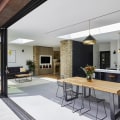
In recent years, open plan living spaces have become a hallmark of modern UK homes, reflecting a shift towards more fluid and interconnected home layouts.This design trend not only enhances the aesthetic appeal of a property but also promotes a sense of community and togetherness among family members.One of the primary benefits of open spaces is the increased natural light that floods through the area, creating a warm and inviting atmosphere. By removing walls that separate the kitchen, dining, and living areas, homeowners can enjoy a brighter environment that feels more spacious. This is particularly advantageous in smaller homes where maximizing light can significantly impact the overall feel of the space.Moreover, open plan designs facilitate better flow and movement throughout the home. This layout encourages interaction, making it easier for families to engage with one another while cooking, entertaining, or relaxing.
It also allows for greater flexibility in furniture arrangement, enabling homeowners to adapt their spaces to suit various activities or gatherings.To achieve an open plan layout through home improvements, consider the following options:
- Knocking down non-load-bearing walls: This is often the first step in creating an open space. Consult with a professional to ensure structural integrity.
- Using sliding or bi-fold doors: These can seamlessly connect indoor and outdoor areas, enhancing the feeling of openness.
- Incorporating multifunctional furniture: Items like extendable dining tables or modular sofas can help define different areas within an open space without compromising flow.
- Adding islands or breakfast bars: These features can serve as natural dividers while still maintaining an open feel.
Smart Home Technology Integration
In recent years, the integration of smart home technology has transformed the landscape of home improvement in the UK. Homeowners are increasingly seeking ways to enhance their living spaces with devices that not only offer convenience but also improve security and energy efficiency.One of the most popular trends is the adoption of home automation systems.These systems allow homeowners to control various aspects of their homes remotely, using smartphones or voice-activated assistants. For instance, smart lighting systems can be programmed to adjust automatically based on the time of day or occupancy, providing both comfort and energy savings.
Smart Security Solutions
Security is a top priority for many homeowners, and smart technology offers innovative solutions. Devices such as smart locks, video doorbells, and security cameras can be integrated into a home’s existing security system. These devices not only provide real-time monitoring but also allow homeowners to grant access remotely, ensuring peace of mind whether they are at home or away.Energy Management
Another significant aspect of smart home improvements is energy management.Smart thermostats, for example, learn a household's heating patterns and adjust accordingly, which can lead to substantial savings on energy bills. Additionally, smart plugs and energy monitors help homeowners track their energy consumption and identify areas for improvement.
Entertainment Systems
The integration of smart technology extends to entertainment as well. Smart speakers and streaming devices can create a seamless audio-visual experience throughout the home. Homeowners can easily control music, movies, and even lighting with simple voice commands or through mobile apps.As the demand for smart home improvements continues to rise, it’s clear that integrating technology into UK homes is not just a trend but a significant shift towards more efficient and secure living environments.Embracing these advancements not only enhances daily life but also adds value to properties in an increasingly competitive market.
Biophilic Design Elements
Incorporating biophilic design elements into your home can significantly enhance your living environment, creating a space that feels more connected to nature. This design philosophy focuses on integrating natural elements into interiors, promoting well-being and tranquility.One of the most effective ways to achieve this is through the use of indoor plants. Not only do they purify the air, but they also add a vibrant touch to any room. Consider the following options:- Ferns: Ideal for bathrooms or shaded areas, they thrive in humidity and add lush greenery.
- Succulents: Perfect for low-maintenance enthusiasts, these hardy plants require minimal care and come in various shapes and sizes.
- Spider plants: Known for their air-purifying qualities, they are easy to grow and can be hung or placed on shelves.
This can be achieved through:
- Large windows: Installing floor-to-ceiling windows or skylights can flood your home with sunlight, creating a warm and inviting atmosphere.
- Light-coloured walls: Using lighter shades can reflect natural light, making spaces feel larger and more open.
- Mirrors: Strategically placing mirrors can help bounce light around the room, enhancing brightness.
Maximising Natural Light
Maximising natural light in your home not only enhances the aesthetic appeal but also contributes to a healthier living environment. Here are some effective techniques to achieve this through thoughtful window design and layout changes.1.Opt for Larger Windows
One of the simplest ways to increase natural light is by installing larger windows.Expansive windows allow more sunlight to flood into your space, creating a bright and airy atmosphere. Consider floor-to-ceiling windows or wide sliding doors that open up to your garden or patio.
2.Use Skylights
Skylights are an excellent option for rooms that may not have sufficient wall space for traditional windows. They can dramatically enhance the amount of light entering a room, especially in areas like kitchens and bathrooms. Modern skylights come with energy-efficient glazing options that help regulate temperature while maximising light.3.Choose the Right Window Treatments
The choice of window treatments can significantly impact how much light enters your home.Opt for sheer curtains or blinds that can be easily adjusted to control light levels without completely blocking it out. Avoid heavy drapes that can darken a room.
4.Consider Window Placement
The placement of windows is crucial in optimising light. Positioning windows on the south-facing side of your home allows for maximum sunlight exposure throughout the day. Additionally, consider placing windows at different heights to capture light from various angles.5.Incorporate Reflective Surfaces
Using reflective surfaces such as mirrors or glossy finishes can help bounce light around a room, making it feel brighter and more spacious.Strategically placing mirrors opposite windows can amplify the effect of natural light.
6.Embrace Open Floor Plans
An open floor plan can facilitate better light flow between rooms. By removing unnecessary walls, you allow sunlight to travel freely throughout your home, creating a cohesive and well-lit environment.Implementing these light optimisation techniques not only enhances the beauty of your home but also improves its overall functionality and comfort. As you consider home improvement projects, prioritising natural light can lead to a more inviting and energising living space.Trendy Colour Palettes and Materials
In the realm of home improvement, colour palettes and materials play a pivotal role in defining the aesthetic and emotional appeal of a space. As we delve into the current trends in UK homes, it becomes evident that homeowners are increasingly gravitating towards specific colour schemes and materials that not only enhance beauty but also promote a sense of well-being.Current Colour Trends
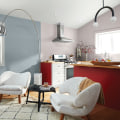
One of the most notable trends is the use of earthy tones.Shades like terracotta, olive green, and muted browns are becoming popular as they create a warm and inviting atmosphere. These colours can be seamlessly integrated into various rooms, from living areas to bedrooms, providing a cohesive look throughout the home.Another emerging trend is the use of bold accent colours. Homeowners are now more willing to experiment with vibrant hues such as deep blues, rich burgundies, and striking yellows. These colours can be used on feature walls or in smaller decor items to add personality and flair without overwhelming the space.
Popular Materials in Home Design
When it comes to materials, natural elements are at the forefront.Wood, particularly reclaimed wood, is highly sought after for its sustainability and rustic charm. It can be used in flooring, furniture, or even as wall cladding to bring warmth and texture into modern interiors.
Textured fabrics
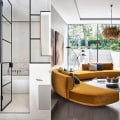
are also gaining traction, with homeowners opting for materials like velvet and linen for upholstery. These fabrics not only add depth to a room but also enhance comfort, making spaces feel more inviting.- Natural Stone: Materials like slate and marble are being used for countertops and flooring, offering durability and elegance.
- Metal Accents: Incorporating metals such as brass or matte black fixtures can provide a contemporary edge to traditional designs.
- Sustainable Options: Eco-friendly materials like bamboo and recycled glass are becoming increasingly popular as homeowners seek to reduce their environmental impact.
Outdoor Living Spaces and Gardens
In recent years, the trend of creating outdoor living spaces has gained significant traction among UK homeowners.These areas not only extend the living space of a home but also enhance the overall aesthetic and functionality of gardens. By investing in thoughtful garden improvements, homeowners can transform their outdoor areas into inviting retreats.One popular approach is the incorporation of patio design ideas that blend seamlessly with the natural surroundings. A well-designed patio can serve as a perfect spot for entertaining guests or enjoying family meals outdoors. Consider using materials such as natural stone or composite decking, which are both durable and visually appealing.
- Outdoor Furniture: Selecting weather-resistant furniture can elevate your outdoor space.
Look for stylish options that provide comfort and durability.
- Lighting: Incorporating ambient lighting, such as string lights or solar-powered lanterns, can create a warm atmosphere for evening gatherings.
- Fire Pits: Adding a fire pit not only enhances the aesthetic but also extends the usability of your outdoor space into cooler months.
FAQs About Home Improvement Trends in the UK
When considering home improvement trends in the UK, many homeowners have questions about how to enhance their living spaces effectively.Here are some frequently asked questions that can guide you in your home improvement journey.
What are the most popular home improvement trends in the UK?
Currently, some of the most sought-after trends include:- Open-plan living: This design maximises space and encourages social interaction.
- Sustainable materials: Eco-friendly options are increasingly popular, with homeowners opting for recycled or sustainably sourced materials.
- Smart home technology: Integrating smart devices for lighting, heating, and security is becoming a standard feature.
- Biophilic design: Incorporating natural elements like plants and natural light to create a calming environment.
How can I improve my home's value?
Improving your home's value can be achieved through various enhancements:- Kitchens and bathrooms: Upgrading these areas often yields the highest return on investment.
- Curb appeal: Simple landscaping or a fresh coat of paint can significantly enhance first impressions.
- Energy efficiency: Installing double glazing or better insulation can attract buyers looking for lower utility bills.
Are there any DIY home improvement projects I can undertake?
Absolutely! Many home improvement projects can be tackled by homeowners themselves, such as:- Painting walls: A fresh coat of paint can transform a room's appearance.
- Landscaping: Simple gardening tasks can enhance outdoor spaces without professional help.
- Installing shelves: Adding storage solutions can improve functionality and aesthetics.
Conclusion: Embracing Modern Design Trends for Your Home Improvement Journey
In conclusion, embracing modern design trends can significantly enhance your home improvement journey, transforming your living space into a stylish and functional haven. Throughout this article, we have explored various trends that not only elevate the aesthetic appeal of UK homes but also improve their practicality and sustainability.From the rise of open-plan living spaces that foster connectivity to the incorporation of biophilic design elements that bring nature indoors, these trends reflect a shift towards creating environments that promote well-being and comfort. Additionally, the use of sustainable materials and energy-efficient solutions not only benefits the planet but also reduces long-term costs for homeowners.As you consider your own home improvement projects, keep in mind the following key trends:- Minimalism: Emphasising simplicity and functionality can create a serene atmosphere.
- Smart Home Technology: Integrating smart devices enhances convenience and security.
- Bold Colours and Patterns: Adding personality through vibrant hues can make a striking impact.
- Vintage and Retro Elements: Blending old with new can add character and charm to modern spaces.
- Sustainable Practices: Prioritising eco-friendly materials supports a healthier environment.
So take inspiration from these trends, plan wisely, and enjoy the process of transforming your home into a modern masterpiece.