In recent years, the landscape of home improvement in the UK has evolved dramatically, reflecting a blend of traditional aesthetics and modern functionality. As homeowners increasingly seek to create spaces that resonate with their personal style while also enhancing the value of their properties, understanding the latest home design trendshome design trends becomes essential. From sustainable materials to innovative layouts, these trends not only inspire creativity but also offer practical solutions for everyday living. The UK is witnessing a shift towards more open-plan living spaces, where kitchens seamlessly flow into dining and living areas. This trend promotes a sense of community and connection within the home, making it ideal for families and entertaining guests.
Additionally, the incorporation of biophilic design elements—such as indoor plants and natural light—has gained popularity, as homeowners strive to bring the outdoors inside. This not only enhances aesthetic appeal but also contributes to improved well-being. As we delve deeper into the various interior design inspirations available, it’s important to consider how these trends can be tailored to fit your unique vision. Whether you’re looking to undertake a complete renovation or simply refresh a single room, understanding these contemporary styles will empower you to make informed decisions that reflect both current trends and your personal taste. Join us as we explore the most captivating home improvement trends that can transform your living space into a true reflection of who you are.
Popular Interior Design Styles in UK Homes
When it comes to home improvement in the UK, understanding the various interior design styles can provide a wealth of inspiration.Each style reflects unique characteristics and cultural influences, making it essential to explore them when planning your project.
Modern UK Homes
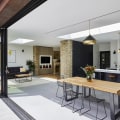
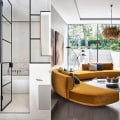
The modern design style is characterised by clean lines, minimalism, and a focus on functionality. In contemporary UK homes, you will often find:- Neutral colour palettes that create a calm and spacious atmosphere.
- Open-plan layouts that enhance natural light and promote social interaction.
- Innovative materials, such as glass and steel, which add a sleek touch.
Traditional UK Interiors
In contrast, traditional interiors celebrate the rich history of British design. This style often features:- Classic furniture pieces, such as wingback chairs and ornate wooden tables.
- Warm colour schemes, including deep reds, greens, and golds that evoke a sense of coziness.
- Textured fabrics, like velvet and brocade, which add depth and luxury.
Eclectic Styles
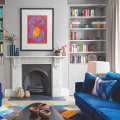
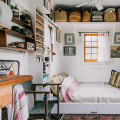
The eclectic style allows homeowners to mix various elements from different periods and cultures. This approach can result in:- A unique blend of colours, patterns, and textures that reflect personal taste.
- Artistic displays, such as gallery walls featuring family photos or local art.
- Vintage finds, which can add character and history to modern spaces.
Sustainable Design Trends for Eco-Friendly Homes
In recent years, the trend towards sustainable home design has gained significant momentum in the UK, reflecting a growing awareness of environmental issues and the need for eco-friendly solutions.Homeowners are increasingly seeking ways to reduce their carbon footprint while enhancing the aesthetic appeal of their living spaces.One of the most notable trends is the use of recycled and reclaimed materials. From reclaimed wood flooring to recycled glass countertops, these materials not only add character to a home but also contribute to sustainability by reducing waste. Homeowners are encouraged to source materials locally, which not only supports local economies but also minimizes transportation emissions.Another key aspect of green building in the UK is the integration of energy-efficient technologies. This includes installing solar panels, which harness renewable energy, and energy-efficient windows, which help maintain indoor temperatures and reduce heating costs.
Smart home technology is also becoming increasingly popular, allowing homeowners to monitor and control energy usage effectively.
- Green Roofs: These living roofs provide insulation, reduce rainwater runoff, and promote biodiversity.
- Natural Insulation: Materials such as sheep's wool or hemp are being used for insulation, offering excellent thermal performance without harmful chemicals.
- Low-VOC Paints: Homeowners are opting for paints with low volatile organic compounds (VOCs) to improve indoor air quality.
Maximising Space: Open Plan Living and Multi-Functional Rooms
In recent years, open plan living has emerged as a popular design trend in UK homes, offering a seamless flow between different areas of the house. This layout not only enhances the sense of space but also encourages social interaction, making it ideal for families and entertaining guests. By removing unnecessary walls, homeowners can create a more inviting atmosphere that feels larger and more connected.To effectively implement an open plan design, consider the following space-saving ideas:- Use furniture to define areas: Instead of walls, use furniture arrangements to delineate spaces.
For example, a large sofa can separate the living area from the dining space while still maintaining an open feel.
- Incorporate multifunctional furniture: Invest in pieces that serve multiple purposes, such as a coffee table with storage or a dining table that can extend for larger gatherings.
- Opt for light colours: Light shades on walls and furnishings can make a room feel more spacious. Consider whites, soft greys, or pastels to enhance natural light.
- Add vertical storage: Use shelves and cabinets that reach up to the ceiling to maximise storage without taking up valuable floor space.
- Designate zones: Clearly define different areas within the room for specific activities, such as work, relaxation, and play.
This can be achieved through rugs or varied lighting.
- Choose adaptable decor: Use decor that can easily change with your needs. For instance, a fold-out desk can transform a corner into a home office when required.
- Incorporate technology: Smart home devices can enhance functionality. Consider installing smart lighting or sound systems that can be controlled remotely to suit different activities.
Incorporating Smart Home Technology into Design
In recent years, the integration of smart home technology into residential design has transformed the way we interact with our living spaces.Homeowners are increasingly seeking to create tech-savvy homes that not only enhance convenience but also improve energy efficiency and security.One of the most popular trends in home automation is the use of smart lighting systems. These systems allow homeowners to control their lights remotely via smartphone apps or voice commands, enabling them to set schedules, adjust brightness, and even change colours to suit their mood or occasion. This not only adds a modern touch to any room but also contributes to energy savings.Another significant trend is the incorporation of smart thermostats. These devices learn your heating preferences over time and can adjust temperatures automatically, ensuring comfort while reducing energy consumption.
By integrating these systems into your home improvement project, you can create a more sustainable living environment.
- Smart Security Systems: Modern security solutions include smart cameras and doorbells that provide real-time alerts and video feeds directly to your smartphone, enhancing your home’s safety.
- Voice-Activated Assistants: Devices like Amazon Echo or Google Home can control various smart devices in your home, making it easier to manage everything from music playback to temperature settings.
- Automated Blinds and Curtains: These can be programmed to open and close at specific times, helping regulate indoor temperatures and providing privacy when needed.
The Role of Colour and Texture in Home Design
When it comes to home improvement, the role of colour and texture cannot be overstated. These elements are crucial in creating a cohesive and inviting atmosphere within your home.In recent years, UK homes have embraced a variety of colour trends that reflect both contemporary tastes and traditional influences.
Colour Trends in UK Homes
- Earthy Tones: Shades like terracotta, olive green, and muted browns are becoming increasingly popular, bringing a sense of warmth and connection to nature.
- Pastel Hues: Soft pastels such as blush pink, mint green, and baby blue offer a calming effect, making them ideal for bedrooms and living spaces.
- Bold Accents: Many homeowners are opting for bold accent walls in deep navy or emerald green to create focal points that add drama and sophistication.
Incorporating Texture in Interior Design
- Natural Materials: Wood, stone, and metal can introduce an organic feel to your space. Consider reclaimed wood furniture or stone feature walls for a rustic touch.
- Textiles: Layering different fabrics such as velvet cushions, wool throws, and linen curtains can create a cozy atmosphere while adding tactile variety.
- Wall Treatments: Textured wallpaper or plaster finishes can transform flat surfaces into dynamic backdrops that catch the eye.
Additionally, experimenting with paint ideas—such as ombre effects or geometric patterns—can further enhance the aesthetic appeal of your home.Ultimately, the thoughtful combination of colour and texture not only elevates the design of your space but also reflects your personal style, making your home truly unique.
Outdoor Spaces: Designing Gardens and Patios for Relaxation
Creating a serene outdoor space is essential for enhancing relaxation and enjoyment in your home. In recent years, garden design trends in the UK have shifted towards creating multifunctional areas that cater to both aesthetics and practicality.Natural Elements
- Incorporating natural materials such as wood, stone, and gravel can create a harmonious blend with the surrounding environment. These elements not only add texture but also promote a sense of calm.
- Consider using native plants that require less maintenance and are better suited to local climates, ensuring your garden remains vibrant throughout the seasons.
Patio Ideas for Relaxation
- Open-plan patios are becoming increasingly popular, allowing for seamless transitions between indoor and outdoor living. This design encourages social gatherings and family time.
- Adding comfortable seating options, such as oversized cushions or built-in benches, can transform your patio into a cozy retreat.
Look for weather-resistant fabrics to ensure durability.
- Incorporate features like fire pits or outdoor heaters to extend the usability of your patio into the cooler months, making it a year-round relaxation spot.
Outdoor Living Spaces
- Creating distinct zones within your garden can enhance functionality. Consider areas for dining, lounging, and gardening to cater to various activities.
- Vertical gardens or living walls are an innovative way to maximise space while adding greenery. They can serve as stunning focal points and improve air quality.
- Lighting plays a crucial role in outdoor spaces. Use soft lighting to create an inviting atmosphere during the evenings, with options like fairy lights or lanterns enhancing the overall ambiance.
Frequently Asked Questions about Home Improvement Trends
When embarking on a home improvement project, it's common to have questions about the latest trends and best practices.Here are some frequently asked questions that can guide you in your journey:
- What are the current popular design trends in UK homes?
Some of the most sought-after trends include open-plan living spaces, biophilic design that incorporates natural elements, and sustainable materials. Additionally, muted colour palettes and vintage furnishings are making a comeback, providing a warm and inviting atmosphere. - How can I incorporate smart technology into my home?
Smart home technology is increasingly popular. Consider installing smart thermostats, lighting systems, and security cameras that can be controlled via your smartphone. These upgrades not only enhance convenience but also improve energy efficiency. - What are some budget-friendly home improvement tips?
You don’t need to break the bank to enhance your home.Simple changes like repainting walls, updating hardware on cabinets, or adding new light fixtures can make a significant impact without a hefty price tag.
- How do I choose the right colour scheme for my home?
Start by considering the mood you want to create in each room. Soft neutrals can create a calming environment, while bold colours can energise a space. Use colour swatches to see how different shades look in various lighting conditions before making a final decision. - What should I consider when planning an extension?
When planning an extension, think about how it will integrate with your existing space. Consider factors such as natural light, flow between rooms, and how the extension will affect your garden or outdoor area.Always check local regulations and obtain necessary permissions.
Conclusion: Key Takeaways for Your Home Improvement Project
As we conclude our exploration of home improvement trends in UK homes, it's essential to reflect on the key insights that can guide your own renovation journey. By understanding the current design trends, you can create a space that not only meets your needs but also resonates with contemporary aesthetics.- Embrace Open Spaces: The trend towards open-plan living continues to dominate, allowing for greater flexibility and a sense of spaciousness. Consider knocking down non-structural walls to create a more fluid layout.
- Incorporate Sustainable Materials: Eco-friendly materials are becoming increasingly popular. Look for options like reclaimed wood, bamboo, or recycled metal to enhance your home’s sustainability while adding character.
- Focus on Natural Light: Maximising natural light is crucial in modern design.
Large windows, skylights, and glass doors can transform dark areas into bright, inviting spaces.
- Personalise with Colour: While neutral palettes remain popular, bold colours are making a comeback. Don’t shy away from using vibrant hues to express your personality and create focal points in your home.
- Smart Home Technology: Integrating technology into your home can enhance convenience and efficiency. Consider smart lighting, heating systems, and security features that can be controlled remotely.
Take the time to plan carefully, seek inspiration from various sources, and don’t hesitate to consult professionals when needed. Your dream home is within reach!.