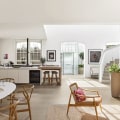
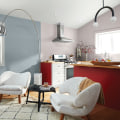
In the realm of home improvement, the role of natural lightnatural light cannot be overstated. It serves not only as a source of illumination but also as a vital element that enhances the overall aesthetic and functionality of a space. Understanding the importance of natural light in home design is crucial for creating environments that promote well-being, productivity, and comfort. When strategically incorporated, natural light can transform even the most mundane areas into vibrant, inviting spaces. The benefits of natural light extend beyond mere aesthetics.
Studies have shown that exposure to natural light can significantly improve mood and energy levels, making it an essential factor in designing living spaces. Furthermore, it can reduce reliance on artificial lighting, leading to lower energy bills and a more sustainable home. By allowing sunlight to flood your interiors, you not only enhance the visual appeal but also create a healthier atmosphere for you and your family. As we delve deeper into the various strategies for incorporating natural light into your home, it’s important to recognise how this simple yet powerful element can redefine your living experience. From choosing the right window placements to utilising reflective surfaces, each decision plays a pivotal role in maximising the benefits of natural light.
Embracing these concepts will not only elevate your home’s design but also contribute to a more harmonious and energising living environment.
Assessing Your Current Space for Natural Light
To effectively assess natural light in your home, start by observing how sunlight enters your space throughout the day. Take note of the time of day and the season, as these factors can significantly influence the amount of light that reaches different areas.1.Identify Key Areas:
- Walk through each room and identify windows, skylights, and any other openings that allow light in.
- Pay attention to rooms that feel dark or gloomy, as these are prime candidates for improvement.
2.Evaluate Window Size and Placement:
- Consider the size of your windows; larger windows typically allow more light.
- Assess their placement: are they obstructed by trees, buildings, or other structures?
3.Observe Light Quality:
- Take note of the quality of light in each room. Is it bright and inviting, or dim and unwelcoming?
- Consider how the colour of your walls and furnishings affects light reflection; lighter colours can enhance brightness.
4.Use Tools for Analysis:
- If you want a more precise evaluation, consider using a light meter to measure the intensity of light in different areas.
- You can also take photographs at various times to visually compare how light changes throughout the day.
Choosing the Right Windows for Maximum Light
When it comes to enhancing natural light in your home, choosing the right windows is crucial.The type and placement of windows can significantly impact the amount of light that enters your space. Here are some key considerations to keep in mind:
- Window Types: Different window styles offer varying levels of light exposure. For instance:
- Casement Windows: These are hinged at the side and open outward, allowing for maximum airflow and light.
- Picture Windows: Fixed windows that do not open but provide unobstructed views and ample sunlight.
- Sliding Windows: These windows slide open horizontally, making them ideal for wider walls and allowing plenty of light.
- Skylights: Installed in the roof, skylights can flood a room with natural light, especially in areas where wall space is limited.
Window Placement:
The placement of your windows is just as important as their type. Here are some tips for optimal placement:
- South-Facing Windows: In the UK, south-facing windows receive the most sunlight throughout the day.
Consider placing larger windows on this side to maximise light.
- Corner Windows: Installing windows at corners can create a bright, airy feel by allowing light to enter from two directions.
- Transom Windows: These are small windows placed above doors or larger windows, which can help capture additional light without compromising privacy.
Incorporating Skylights and Roof Windows
Incorporating skylights and roof windows into your home is an excellent way to enhance the flow of natural light, creating a brighter and more inviting atmosphere. These architectural features not only illuminate your living spaces but also offer a range of additional benefits.Benefits of Skylights
- Increased Natural Light: Skylights allow sunlight to flood in from above, significantly brightening rooms that may otherwise feel dark or cramped.
- Energy Efficiency: By utilising natural light, you can reduce reliance on artificial lighting, leading to lower energy bills and a smaller carbon footprint.
- Ventilation: Many skylights can be opened to provide fresh air, improving indoor air quality and reducing humidity levels.
- Aesthetic Appeal: Skylights can enhance the architectural beauty of your home, adding a modern touch while increasing its overall value.
Installing Roof Windows
The installation of roof windows is a straightforward process that can be undertaken by professionals or skilled DIY enthusiasts. Here are some key considerations:
- Location: Choose areas that will benefit most from additional light, such as stairwells, hallways, or rooms with limited wall space for traditional windows.
- Size and Style: Select the size and style of roof window that complements your home’s design.
Larger windows can provide more light but may require additional structural support.
- Professional Installation: For optimal results, consider hiring a qualified installer who can ensure proper sealing and insulation to prevent leaks and heat loss.
Utilising Open Spaces and Layout Changes
Incorporating natural light into your home can significantly enhance its ambiance and energy efficiency. One of the most effective ways to achieve this is by utilising open spaces and making strategic layout changes.Open floor plans
have gained popularity for their ability to create a seamless flow between different areas of the home. By removing unnecessary walls, you can allow light to travel freely throughout the space, illuminating areas that might otherwise remain dim.This not only enhances the aesthetic appeal but also fosters a sense of connection between rooms.When considering layout changes, think about how you can optimise the flow of light:
- Remove barriers: Walls and doors can obstruct light. Consider knocking down non-load-bearing walls to create a more open environment.
- Strategic furniture placement: Arrange furniture to avoid blocking windows or light sources. Use low-profile furniture in areas where light is abundant.
- Use mirrors: Placing mirrors opposite windows can reflect light deeper into the room, enhancing brightness.
- Consider multi-functional spaces: Design areas that serve multiple purposes, such as a combined living and dining area, which can benefit from shared natural light.
If possible, prioritise these areas for living spaces where you spend most of your time.In summary, by embracing an open floor plan and making thoughtful layout changes, you can significantly increase the amount of natural light in your home. This not only improves the overall atmosphere but also contributes to a healthier living environment.
Using Mirrors and Reflective Surfaces to Enhance Light
Incorporating mirrors and other reflective surfaces into your home can significantly enhance the amount of natural light that fills your space. By strategically placing these elements, you can create a brighter, more inviting atmosphere without the need for extensive renovations.1.Positioning Mirrors Wisely
- Opposite Windows: Place mirrors directly across from windows to reflect incoming light back into the room. This not only amplifies brightness but also creates the illusion of a larger space.
- Corner Placement: Positioning mirrors in corners can help bounce light around the room, making it feel more open and airy.
- Height Matters: Hang mirrors at eye level to maximise their effectiveness.
This ensures that they reflect light optimally and enhance the overall aesthetic of the room.
2.Choosing Reflective Surfaces
- Glossy Finishes: Opt for furniture and decor with glossy finishes, such as lacquered tables or shiny metal accents, which can reflect light and brighten up darker areas.
- Glass Elements: Incorporate glass shelves or decorative glass objects that can catch and reflect light, adding depth and dimension to your space.
- Light-Coloured Walls: Use light-coloured paint or wallpaper to enhance the effect of mirrors and reflective surfaces. Light hues will help bounce light around the room more effectively than darker shades.
3.Additional Light Enhancement Tips
- Avoid Clutter: Keep surfaces clear to allow for maximum reflection. Clutter can absorb light and diminish the effect of your mirrors.
- Layered Lighting: Combine natural light with layered artificial lighting to create a balanced ambiance. Use floor lamps or wall sconces to complement the natural light during darker hours.
- Accessorise Thoughtfully: Use decorative mirrors as statement pieces that not only serve a functional purpose but also add style to your home.
Selecting Appropriate Colours and Materials
When considering home improvement projects aimed at maximising natural light, the selection of colours and materials plays a crucial role.The right choices can significantly enhance the brightness and overall atmosphere of your space.
Best Colours for Light Reflection
Light colours are your best allies in creating a bright environment. Shades such as whites, light greys, and pastels reflect more light than darker hues, making them ideal for walls and ceilings. For instance, a soft cream or pale blue can create an airy feel while bouncing sunlight around the room.Materials for Bright Spaces
The materials you choose can also impact how light interacts with your home. Consider using glossy finishes on walls and furniture, as they reflect light more effectively than matte surfaces.Additionally, incorporating mirrored elements, such as decorative mirrors or glass furniture, can amplify natural light by reflecting it throughout the space.
Colour Psychology in Design
Understanding colour psychology can further enhance your home’s ambiance. For example, warm colours like yellows and oranges can evoke feelings of warmth and happiness, making spaces feel more inviting. In contrast, cooler tones like greens and blues can create a calming effect, perfect for bedrooms or relaxation areas.In summary, selecting the right colours and materials is essential for optimising natural light in your home. By choosing reflective surfaces and understanding the psychological impact of colour, you can create bright, welcoming spaces that enhance your overall living experience.Landscaping Considerations for Natural Light Access
When considering landscaping for improved natural light access in your home, it’s essential to understand how outdoor elements can significantly affect indoor light levels.Trees, shrubs, and other structures can create shadows that block sunlight from entering your living spaces. Therefore, thoughtful garden design is crucial.
1.Tree Placement
- Position trees strategically to provide shade during the hottest parts of the day while allowing sunlight to filter through in the morning and late afternoon.
- Opt for deciduous trees that lose their leaves in winter, allowing more light to enter your home during the colder months.
2.Shrub and Plant Selection
- Choose low-growing shrubs or plants that won’t obstruct windows or light wells. This ensures that your indoor spaces remain bright and welcoming.
- Consider using plants with lighter foliage that can reflect light into your home rather than absorbing it.
3.Garden Design Tips
- Create layered planting designs where taller plants are positioned further away from the house, gradually transitioning to shorter plants closer to the building.
- Incorporate reflective surfaces such as light-coloured gravel or decorative stones in your garden to bounce sunlight towards your home.
- Utilise vertical gardens or trellises with climbing plants to add greenery without blocking light from entering windows.
FAQs About Incorporating Natural Light into Home Improvements
Incorporating natural light into your home can significantly enhance its aesthetic appeal and improve your overall well-being.Here are some frequently asked questions regarding this important aspect of home improvement.
What are the benefits of natural light in my home?
Natural light not only brightens up your living space but also has numerous health benefits. Exposure to sunlight can boost your mood, increase productivity, and even help regulate your sleep cycle. Additionally, it can reduce the need for artificial lighting, leading to lower energy bills.How can I maximise natural light in small spaces?
- Use mirrors: Strategically placing mirrors can reflect light and create the illusion of a larger space.
- Choose lighter colours: Light-coloured walls and furnishings can help to bounce light around the room.
- Opt for open layouts: Removing unnecessary walls can allow light to flow freely throughout your home.
Are there specific design elements that enhance natural light?
- Skylights: Installing skylights is an effective way to bring in more natural light, especially in areas that lack windows.
- Large windows: Consider replacing smaller windows with larger ones or adding additional windows where possible.
- Glass doors: Using glass doors instead of solid ones can help to connect indoor and outdoor spaces while allowing more light in.
What are some common misconceptions about natural light?
A common misconception is that more windows always mean more heat loss. However, modern glazing technologies can significantly improve energy efficiency.Another myth is that natural light is only beneficial during the day; however, well-placed lighting can enhance the effects of natural light even after sunset.Incorporating natural light into your home improvements not only enhances the beauty of your space but also contributes positively to your health and well-being. By addressing these common questions, you can make informed decisions that will lead to a brighter, more inviting home.
Conclusion: Embracing Natural Light for a Brighter Home
Incorporating natural light into your home is not just an aesthetic choice; it significantly enhances the overall quality of your living space. Throughout this article, we have explored various strategies to maximise sunlight, from installing larger windows to utilising reflective surfaces. One of the key takeaways is the importance of window placement. By strategically positioning windows to capture sunlight at different times of the day, you can create a warm and inviting atmosphere.Additionally, using skylights can be a game-changer, especially in areas that may not have sufficient wall space for traditional windows. Another vital aspect discussed is the role of colour schemes. Light-coloured walls and furnishings can help to bounce light around the room, making spaces feel larger and more open. Pairing these colours with translucent window treatments allows for privacy while still letting in ample daylight. Moreover, we highlighted the benefits of incorporating outdoor elements, such as gardens or patios, which can enhance the flow of natural light into your home. By creating a seamless transition between indoor and outdoor spaces, you not only improve lighting but also enrich your living experience. In conclusion, embracing natural light through thoughtful home improvement projects can transform your home into a brighter, more energising environment.
By implementing these strategies, you will not only enhance your home's aesthetic appeal but also promote a healthier and more uplifting atmosphere for you and your family.