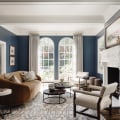
Incorporating natural light into your home design is not merely an aesthetic choice; it is a fundamental aspect that can significantly enhance your living environment. The importance of natural light extends beyond its ability to illuminate spaces; it plays a crucial role in promoting health, improving mood, and increasing overall energy efficiency. As homeowners seek to create more inviting and functional spaces, understanding the benefits of natural light becomes essential. Research has shown that exposure to natural light can positively affect our well-being. It helps regulate our circadian rhythms, which in turn influences our sleep patterns and energy levels throughout the day.
Furthermore, natural light has been linked to increased productivity and creativity, making it an invaluable asset in both work and leisure areas of the home. By allowing more sunlight to enter your living spaces, you can create an atmosphere that fosters relaxation and enhances your quality of life. From a practical standpoint, incorporating features such as skylights or larger windows can also lead to significant energy savings. Natural light reduces the need for artificial lighting during the day, which can lower electricity bills and decrease your carbon footprint. Additionally, well-lit spaces often feel larger and more open, creating a sense of airiness that is highly sought after in modern home design.
As you consider various home improvement projects, prioritising natural light can transform not just the look of your home but also how you feel within it.
Exploring Skylights: A Bright Addition to Your Home
Skylights are an excellent way to enhance the natural light in your home, providing a unique blend of aesthetics and functionality. These architectural features can transform dark spaces into bright, inviting areas, making them a popular choice for many homeowners looking to improve their living environment.Benefits of Skylights
- Increased Natural Light: Skylights allow sunlight to flood into your home, reducing the need for artificial lighting during the day.
- Energy Efficiency: By utilising natural light, skylights can help lower energy bills, especially in rooms that require consistent lighting.
- Enhanced Aesthetics: They can create a sense of openness and spaciousness, making rooms feel larger and more welcoming.
- Improved Ventilation: Many skylights can be opened to allow fresh air in, helping to regulate indoor temperatures and improve air quality.
Types of Skylights
- Fixed Skylights: These are non-operable and designed solely for light transmission.
- Ventilated Skylights: These can be opened to provide airflow, ideal for kitchens and bathrooms.
- Tubular Skylights: A compact option that channels light through a reflective tube, perfect for smaller spaces.
Installation Considerations
When considering skylight installation, it’s essential to evaluate the following:
- Location: Choose areas that will benefit most from natural light, such as hallways or living rooms.
- Roof Type: The type of roof will influence the installation process; flat roofs may require different considerations than pitched roofs.
- Professional Installation: While DIY options exist, hiring a professional ensures proper sealing and insulation, preventing leaks and energy loss.
Larger Windows: Expanding Your View and Light Intake
Installing larger windows in your home can significantly enhance both the aesthetic appeal and the functionality of your living space.One of the primary benefits of larger windows is the influx of natural light, which can create a more inviting atmosphere and reduce the need for artificial lighting during the day. This not only contributes to a more pleasant environment but can also lead to energy savings.In addition to improving light intake, larger windows can offer stunning views of your outdoor surroundings, effectively blurring the lines between indoor and outdoor spaces. This connection with nature can enhance your overall well-being and make your home feel more expansive.
Window Styles to Consider
- Picture Windows: These are large, fixed windows that provide unobstructed views and maximum light.
- Sliding Windows: Ideal for smaller spaces, sliding windows can be opened easily to allow fresh air in while still providing ample light.
- Casement Windows: Hinged at the side, these windows open outward, offering excellent ventilation and a clear view.
- Bifold Windows: Perfect for creating an indoor-outdoor flow, bifold windows can be fully opened to connect your living area with your garden or patio.
Installation Tips
When considering the installation of larger windows, it’s essential to keep a few tips in mind:- Consult a Professional: Always seek advice from a qualified contractor or architect to ensure that your new windows meet building regulations and structural integrity.
- Choose Energy-Efficient Glass: Opt for double or triple glazing to improve insulation and reduce energy costs.
- Consider Orientation: Think about how the sun moves across your property; strategically placing larger windows can maximise light intake while minimising heat loss.
- Plan for Privacy: If your new windows overlook neighbours, consider frosted glass or strategically placed landscaping to maintain privacy without sacrificing light.
Combining Skylights and Windows for Optimal Light Flow
Incorporating both skylights and larger windows into your home can significantly enhance the flow of natural light, creating a brighter and more inviting atmosphere. When designed thoughtfully, these elements can work together to maximise light while maintaining aesthetic appeal.1.Assessing Your Space
- Begin by evaluating the layout of your home.
Identify areas that lack natural light, such as dark corners or rooms with minimal windows.
- Consider the orientation of your home; south-facing rooms typically receive more sunlight throughout the day.
2.Strategic Placement of Skylights
- Install skylights in rooms where vertical wall space is limited, such as bathrooms or hallways, to draw in light from above.
- Choose skylights with features like solar-powered blinds to control light intensity and heat gain.
3.Complementing with Larger Windows
- In areas where you can add windows, opt for larger panes that allow for unobstructed views and increased light flow.
- Consider floor-to-ceiling windows in living areas to create a seamless connection with the outdoors.
4.Design Tips for Cohesion
- Use similar framing styles for both skylights and windows to create a cohesive look throughout your home.
- Select window treatments that complement both features, allowing for flexibility in managing light levels.
- In open-plan spaces, ensure that the placement of skylights and windows aligns to create a natural pathway for light to travel.
Considerations Before Making Changes: Planning and Budgeting
Before embarking on any home improvement project, particularly those involving significant changes like installing skylights or enlarging windows, careful planning and budgeting are essential. Here are some key considerations to keep in mind:- Planning Permissions: Depending on your location and the extent of the changes, you may need to obtain planning permission from your local council. It’s crucial to check the regulations regarding alterations to your property, especially if you live in a conservation area or a listed building.
- Budgeting for Improvements: Establish a clear budget that encompasses all aspects of the project.
This includes not only the cost of materials and installation but also potential expenses for permits, professional fees, and unexpected contingencies. Skylights and larger windows can vary significantly in price based on size, style, and materials used.
- Hiring Professionals vs. DIY: While some homeowners may consider a DIY approach to save costs, it’s important to assess your skills realistically. Installing skylights or large windows often requires specific expertise to ensure proper sealing and insulation.
Hiring a qualified professional can prevent costly mistakes and ensure compliance with building regulations.
FAQs About Incorporating Natural Light into Your Home
Incorporating natural light into your home can significantly enhance its aesthetic appeal and energy efficiency. Here are some frequently asked questions regarding this home improvement:- What are the benefits of installing skylights? Skylights not only allow natural light to flood your space but also provide ventilation, reducing the need for artificial lighting during the day.
They can create a sense of openness and connection to the outdoors, making rooms feel larger and more inviting.
- How do I choose the right size skylight? The size of your skylight should depend on the room's dimensions and the amount of light you wish to achieve. A general rule is to aim for a skylight that is about 5-15% of the total floor area of the room.
- Are there any drawbacks to skylights? While skylights offer numerous benefits, they can also lead to overheating in summer months if not properly installed or shaded. Additionally, they may require more maintenance than traditional windows due to potential leaks or condensation issues.
- What should I consider when installing larger windows? When opting for larger windows, consider factors such as orientation, privacy, and energy efficiency. South-facing windows can maximise sunlight but may require shading solutions to prevent overheating.
- How can I maximise natural light without major renovations? If major renovations aren't feasible, consider using mirrors strategically to reflect light, choosing lighter paint colours for walls, and keeping window treatments minimal to allow more light in.
Conclusion: Embracing Natural Light for a Brighter Home
Incorporating natural light into your home is not just an aesthetic choice; it is a vital aspect of home improvement that can significantly enhance your living environment.Throughout this article, we have explored various methods to achieve this, including the installation of skylights, larger windows, and strategic use of mirrors and reflective surfaces.By allowing more sunlight to enter your home, you can create a more inviting atmosphere that promotes well-being and productivity. Natural light has been shown to improve mood and reduce stress, making it an essential element in any home improvement project.Moreover, the energy efficiency benefits of natural light cannot be overlooked. By maximising daylight, you can reduce reliance on artificial lighting, leading to lower energy bills and a smaller carbon footprint. This aligns perfectly with the growing trend towards sustainable living.As you consider your next home improvement project, think about how you can incorporate these elements of natural light.
Whether it’s through the addition of a skylight in a dark hallway or replacing small windows with expansive glass panels in your living room, each decision contributes to a brighter, more vibrant home.In conclusion, embracing natural light is not merely about aesthetics; it’s about creating a healthier, more sustainable living space. By prioritising natural light in your home improvement plans, you are investing in both your home’s value and your quality of life.